
Polyaspartic Coating Costs: Materials, Application and Maintenance
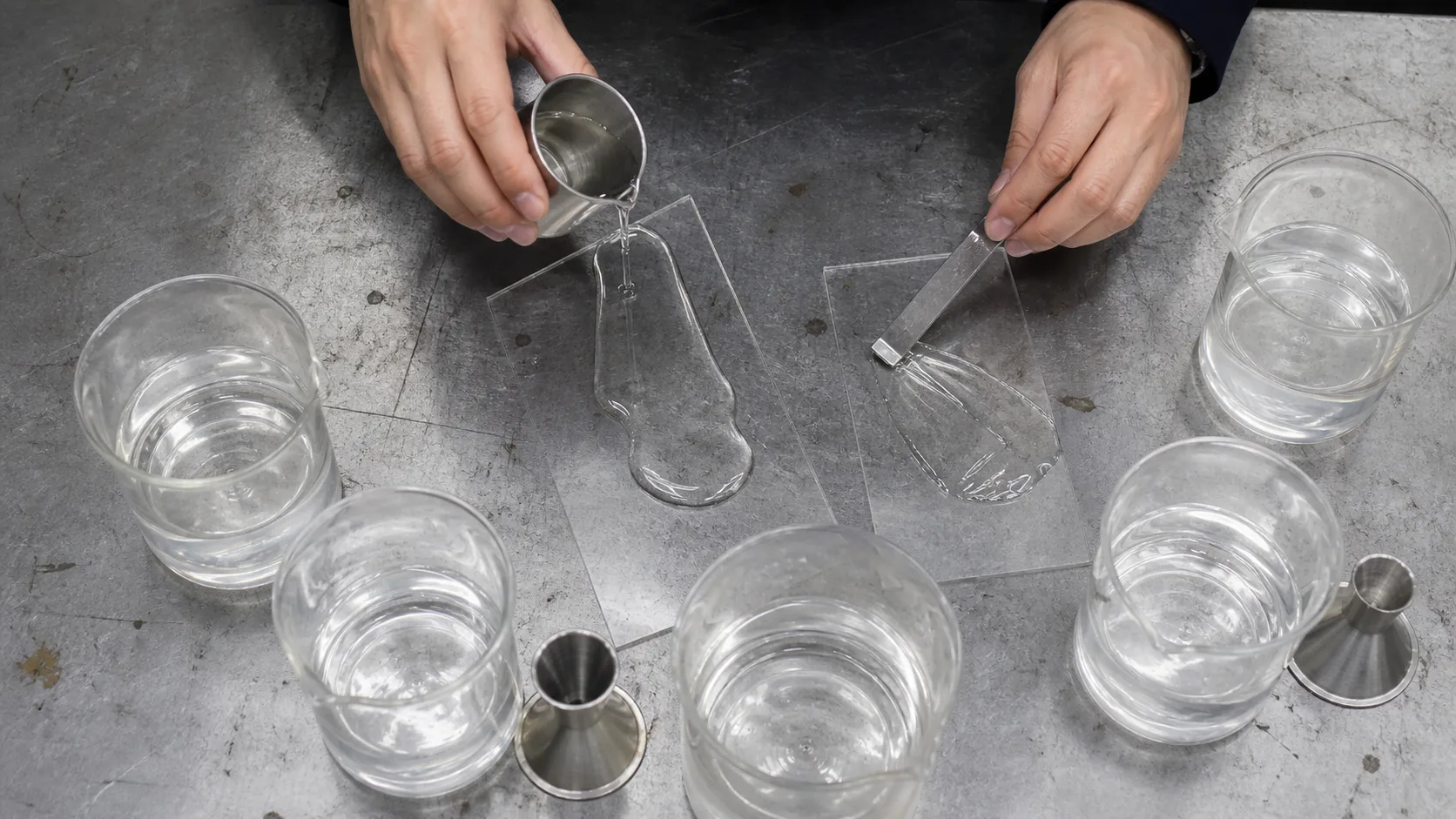
Material samples illustrating coating selection.
I. Core summary
Coating costs depend on the grade, formulation, coating system, preparation, film thickness, application and delivery terms. Compare quotations against the same project requirements and include maintenance and downtime assumptions.
II. Raw materials and supply conditions
Resin, hardener, additives and packaging contribute to material cost. Product grades and supply terms should be compared separately.
- Synthesis and processing:Manufacturing routes and process controls vary by grade. Evaluate the supplier’s product documents and quality records rather than assuming a universal production yield.
- Product specification:Use grade-specific specifications and batch reports. Purity, viscosity and reactive-group values must be relevant to the intended formulation.
- Supply conditions:Compare order quantity, delivery schedule, packaging, transport and payment terms. This article does not establish supplier rankings or market concentration.
Hint:Raw-material price alone cannot determine the installed cost or suitability of a coating system.
III. Formulation& process control
Formulation development and quality control can affect cost and should be reflected in a defined specification.
- Reaction and working time:Match the resin and hardener using the formulation’s specified equivalent ratio. Confirm mixing, working time, curing and recoating conditions through trials.
- Production controls:Ask the supplier to explain moisture control, traceability and batch inspection relevant to the actual grade. Equipment and investment requirements differ between facilities.
- Testing scope:Separate routine batch inspection from type testing and application qualification.—Confirm the test method, sample, laboratory scope and validity of each report. A report does not automatically certify every product or project.
Cost allocation:Request an itemized quotation covering materials and agreed services.& testing, packaging and logistics should be evaluated using actual quotations rather than a universal percentage.
IV. Installed and life-cycle costs
Compare the complete system: preparation, repair, primer, intermediate layers, topcoat, labor, equipment, waste, inspection and downtime.
- weather resistance :Weathering reports support comparisons under stated conditions. They do not establish a fixed outdoor service life or maintenance-free period.
- Construction efficiency:Use the actual workflow and site temperature to estimate labor and closure time. Distinguish working time, touch dry, readiness for traffic and full cure.
- Environmental compliance:Review applicable limits and test reports—Check VOC data, ventilation and disposal requirements for the selected product and location.
- Service exposure:Confirm temperature, immersion, chemical exposure and movement requirements through relevant evidence and project trials.
Life-cycle calculation:Record the study period, maintenance intervals, discount assumptions, downtime and disposal costs. Test alternative assumptions; no universal saving percentage is claimed here.
V. Project requirements and service scope
- Application conditions:Different projects need different coating systems. Suitability for marine, transport, cleanroom or other specialist uses requires application-specific evidence.
- Qualification requirements:Check the actual project specification and applicable approval route. Generic product descriptions do not demonstrate specialist qualification.
- Technical services premium:Define substrate assessment, application guidance, inspection and after-sales responsibilities in the quotation and contract.
Common answers
Q: What is the difference between the price of polyaspartic polyurea and that of ordinary polyurea? Why?
A: There is no fixed price difference. Compare specific grades, system thickness, preparation, application and commercial terms under the same scope.
Q: Will prices fall in the future?
A: Future prices are uncertain. Request current quotations and agree their validity period rather than relying on an unsupported annual forecast.
Q: How do you judge the value of polyaspartic polyurea?
A: Compare installed and maintenance costs against the required performance. Verify product identity, batch records and relevant reports; price alone cannot establish quality.
VI. Procurement checks
- Compare like-for-like quotations:Investigate differences in specification, supply scope and delivery terms. A lower price does not by itself prove dilution, counterfeiting or poor quality.
- Focus on core indicators:Review solids content, viscosity, reactive-group values, mixing ratio, film thickness, cure conditions and performance tests relevant to the selected grade.
- Validation of supply chain capacity:Obtain current TDS/SDS documents, batch traceability, applicable test reports and agreed technical-service terms.
Concluding remarks
Choose a coating system based on documented suitability and a transparent cost comparison. Neither a higher price nor a product category alone guarantees a better project outcome.
Selection guide
A practical checklist for comparing material, application, inspection, maintenance and downtime costs under the same project scope.