Slow-reaction resins

Provides more working time for large areas and detailed work, improving leveling, lap continuity and practical application tolerance.

Product list

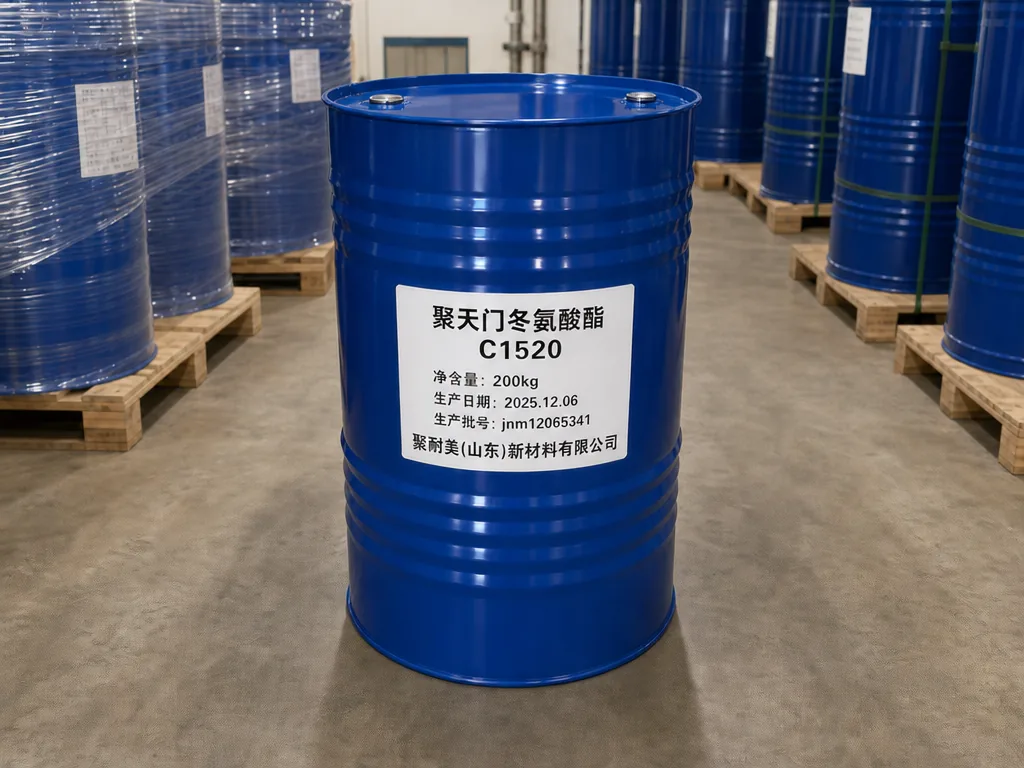
Blue packaging drum and model label for C1520 polyaspartic ester resin

Polyaspartic ester resinC1520

A solvent-free resin with secondary amino groups that react with NCO groups. Confirm compatibility through formulation trials.

Solids content
≥96%
Reactivity
Low
Applications
Corrosion protection, flooring and blade coatings
Specifications
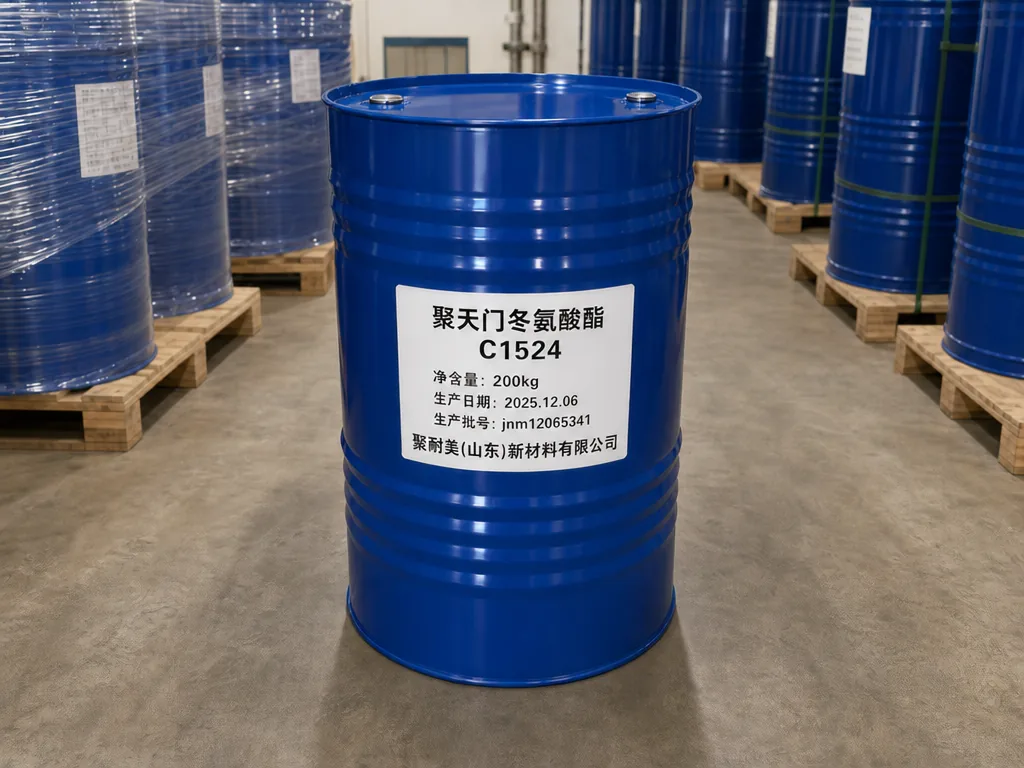
Blue packaging drum and model label for C1524 polyaspartic ester resin

Polyaspartic ester resinC1524

A solvent-free resin with secondary amine groups that react with NCO groups. Its reactivity lies between C1420 and C1520.

Solids content
≥97%
Reactivity
Moderate
Applications
Waterproofing, corrosion protection, blade and floor coatings
Specifications
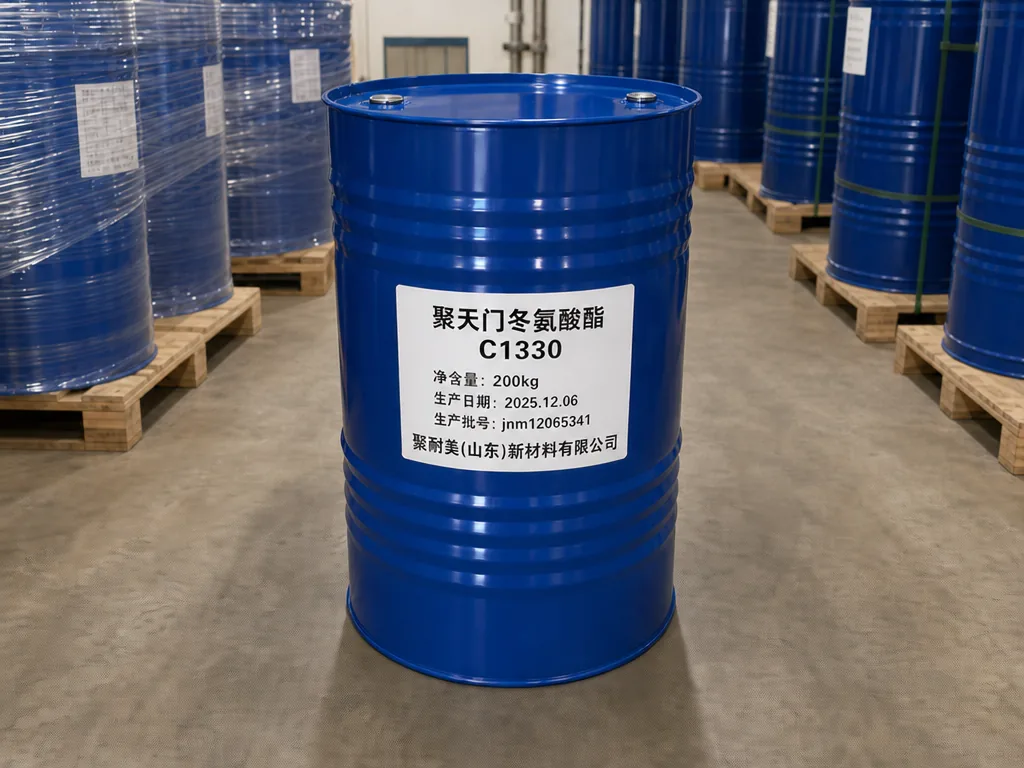
Blue packaging drum and model label for C1330 polyaspartic ester resin

Polyaspartic ester resinC1330

A solvent-free, flexible resin with secondary amino groups that react with NCO groups, with viscosity as low as 200 mPa·s.

Solids content
≥97%
Reactivity
Moderate
Applications
Waterproofing, corrosion protection, blade and floor coatings
Specifications
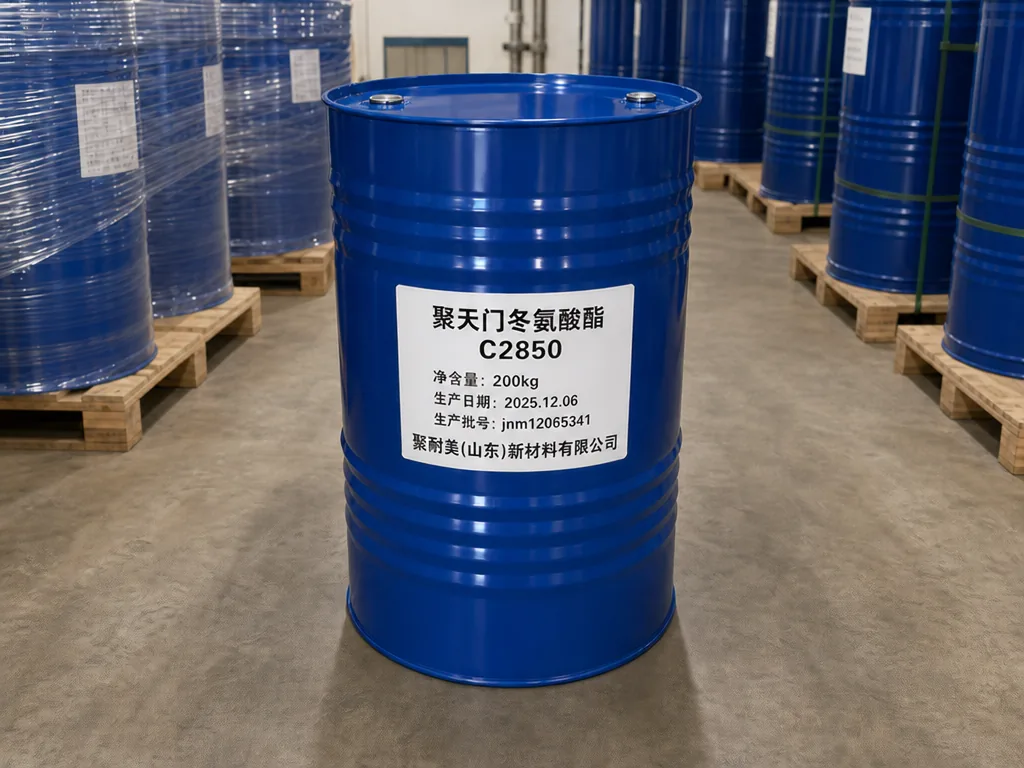
Blue packaging drum and model label for C2850 polyaspartic ester resin

Polyaspartic ester resinC2850

A solvent-free, low-viscosity aliphatic polyaspartic ester resin with secondary amino groups, with viscosity as low as 80 mPa·s.

Solids content
≥97%
Reactivity
Low
Applications
Waterproofing, flooring, corrosion protection, wind-energy applications and adhesives
Specifications

Need help selecting a product?

Our technical team can help with product selection and application support.

Request a quote

Selection guide

Brush-applied polyaspartic coatings require a balance of working time, viscosity and leveling. Validate a slow-reacting resin with the proposed hardener, pigments, fillers, environmental conditions and target thickness in formulation trials.