
Substrate Preparation for Polyaspartic Coatings
Substrate handles decorated adhesion with long-term stability. In accordance with the six processes of “inspection-cleaning-painting-fixing-nodes-acceptance”, a balanced and reliable basis for base paint and subsequent polyaspartic polyurea coatings is established.
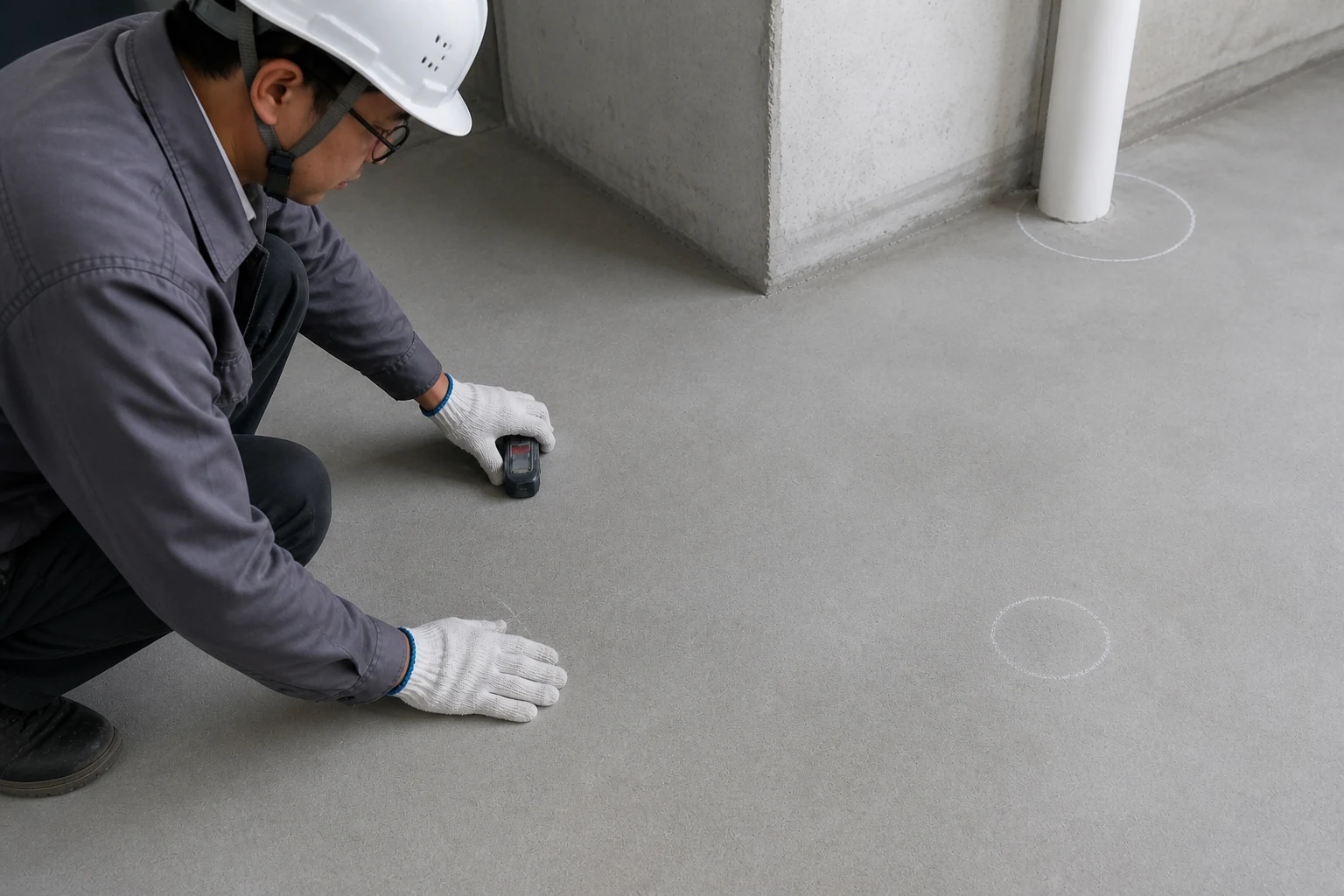
Substrate inspection
Confirm that substrate is solid, with no sand, empty drums and powdering; The surface is dry and without light water, and there shall be no residual oil and dust. Angular angles, tube roots, etc., should be prioritized for a smooth arc angle.
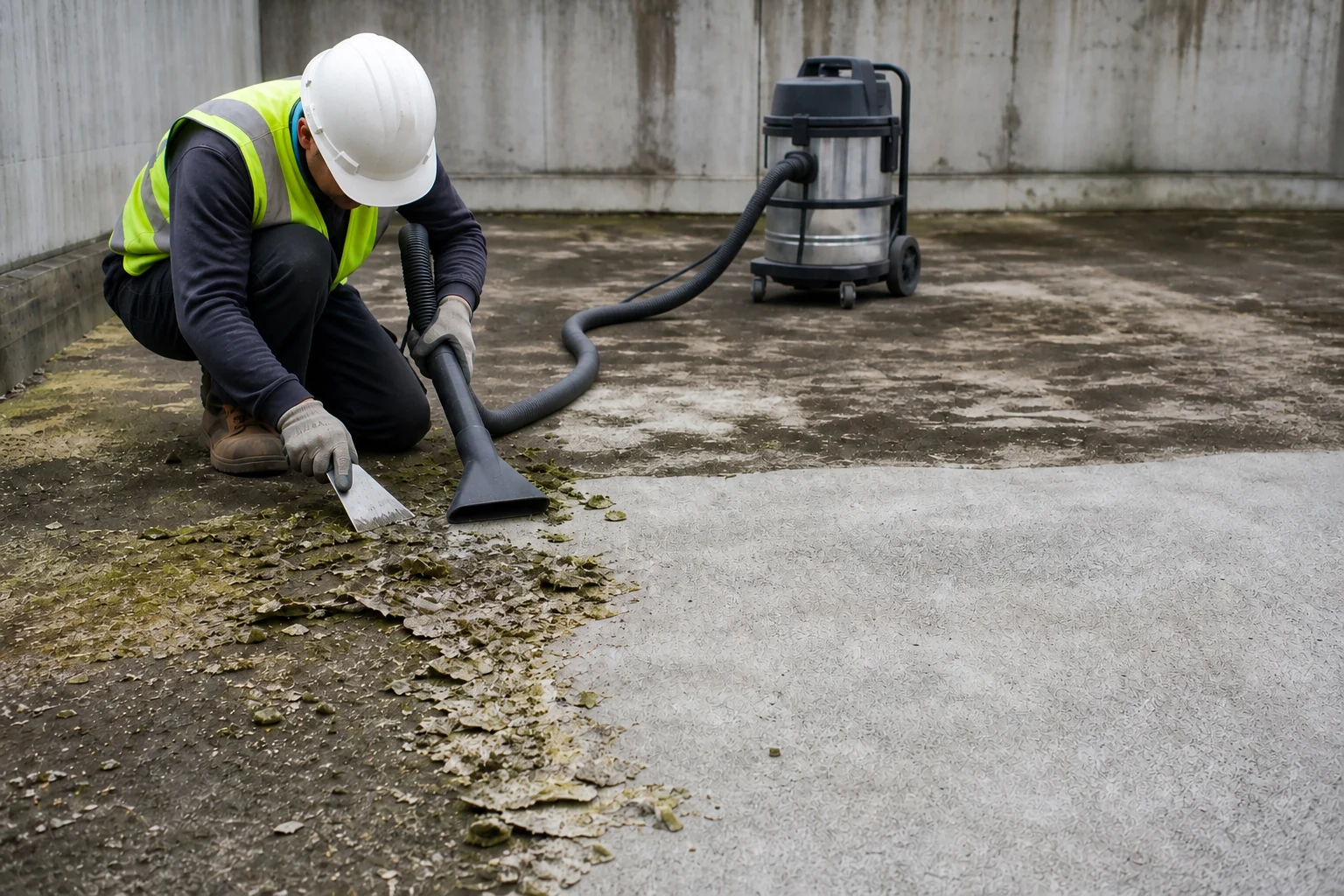
Substrate cleaning
(b) Eradicating skins, old coatings, moss and miscellaneous items; The oil contamination has been completely removed using suitable cleaning methods, and all the loose and stripped parts have been removed to solid ground levels.
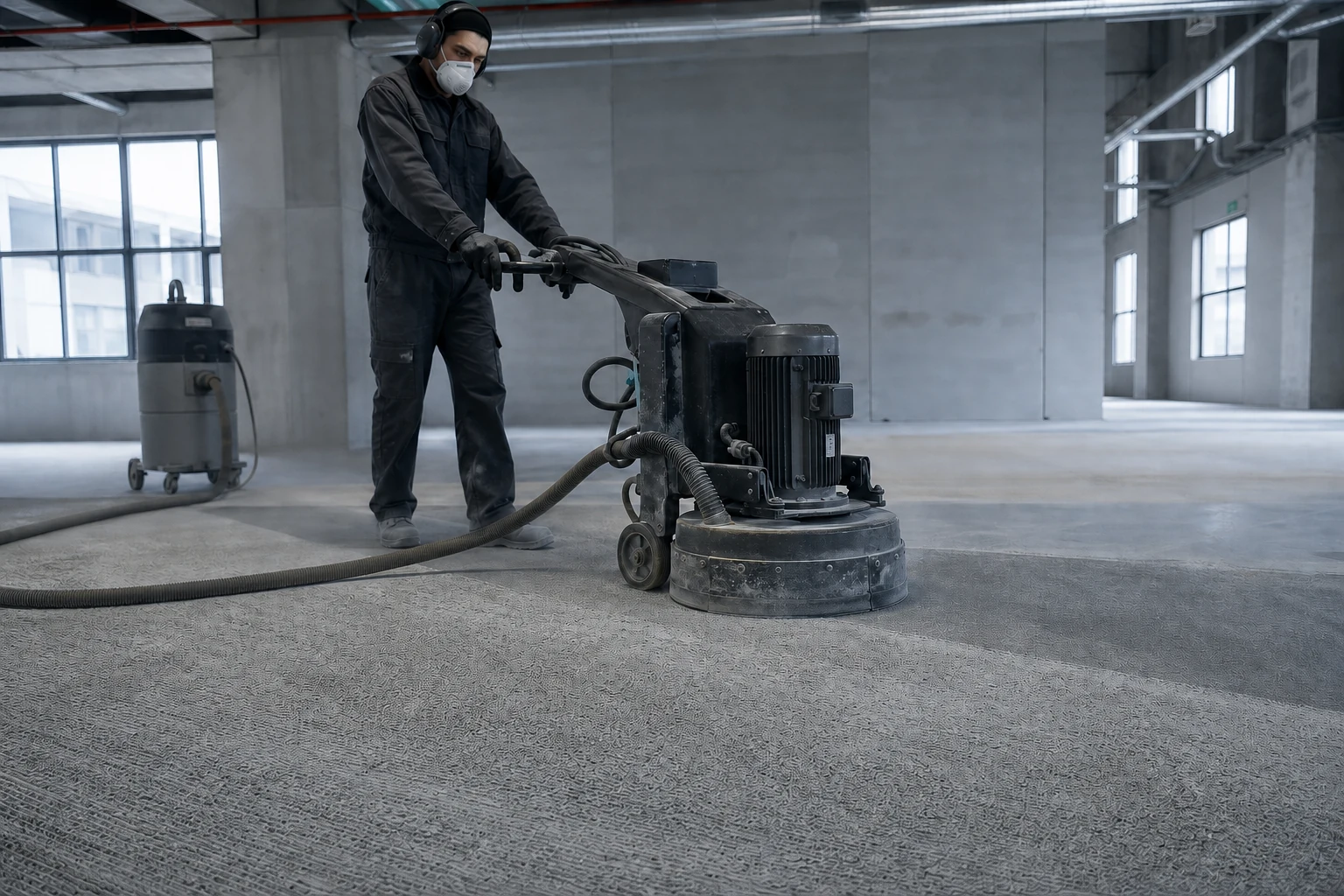
Mechanical Grinding and Surface Profiling
Remove laitance by shot blasting or mechanical grinding to create a continuous, uniform surface profile. After preparation, remove dust thoroughly with an industrial vacuum to protect adhesion.
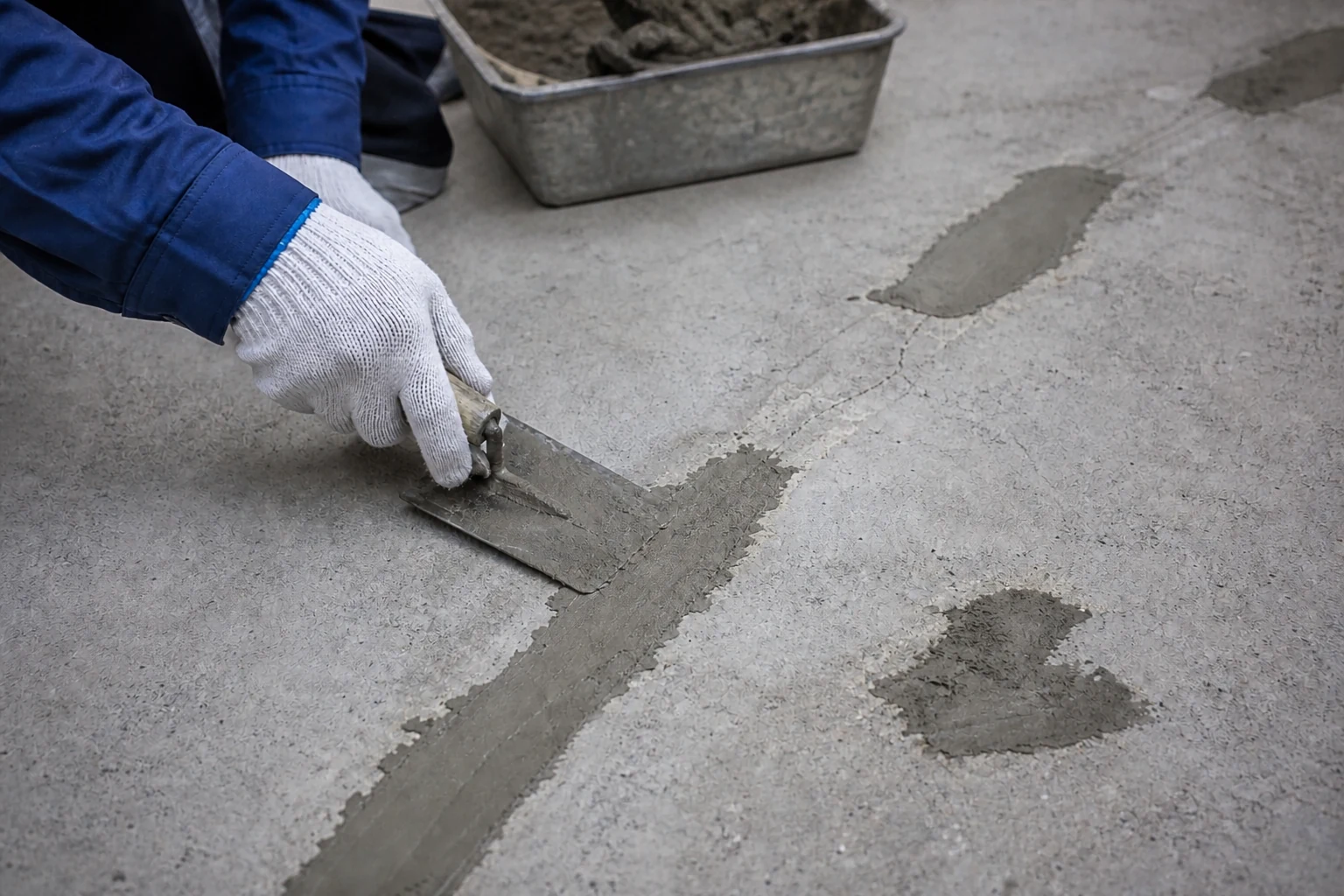
Deficiencies
Cracking and post-treatment, holes, beehives and pits are used to repair the slurry with a special purpose. Once the restoration material has been preserved and dryed, it must be worn again to the level and not leave a clear high.
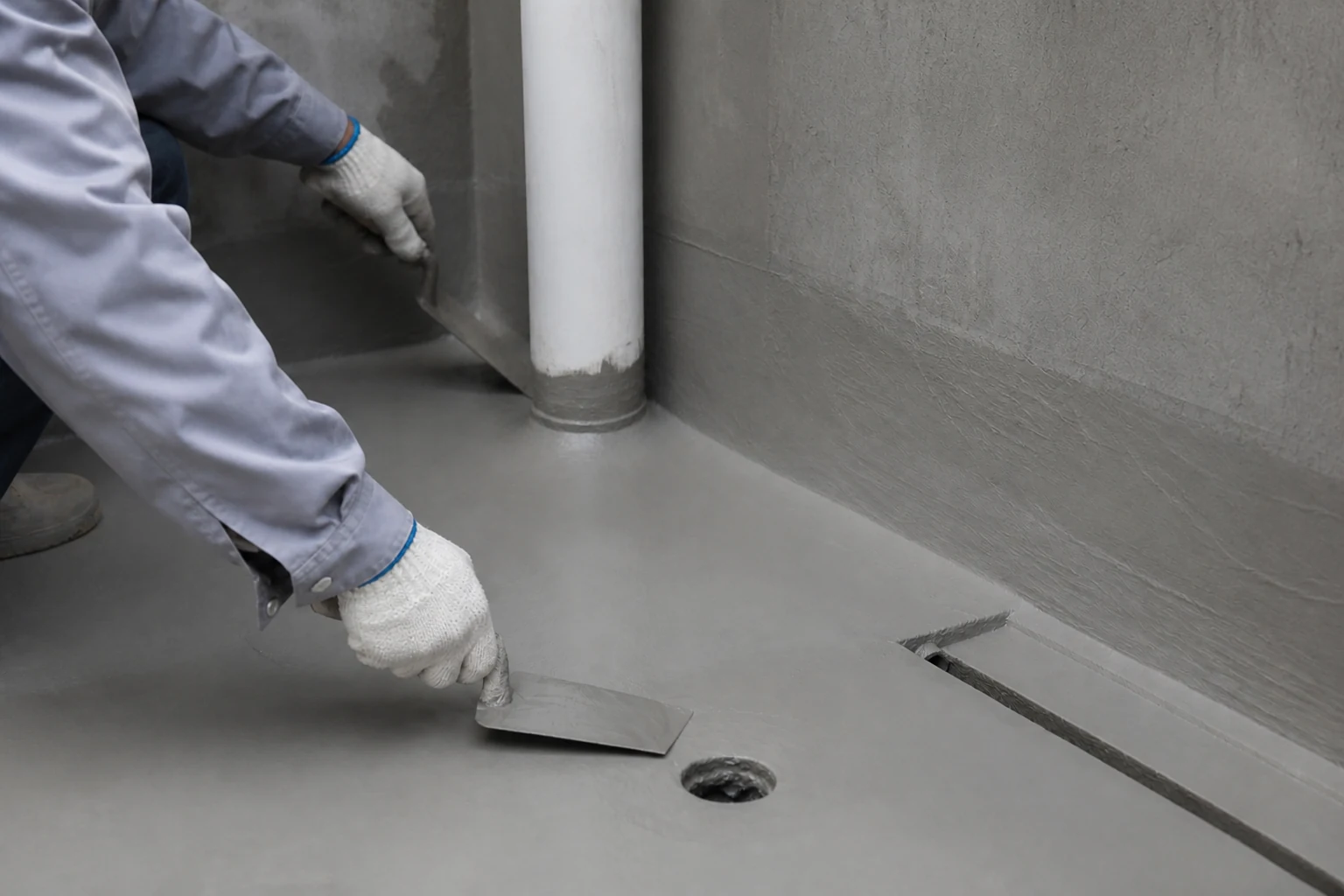
Minor processing
Angular angles, tubing roots, construction stitches and waterfalls should be repaired and smoothed, pre-processing of nodes should be completed ahead of schedule, and conditions set for continuous, non-variant construction of subsequent enhancements.
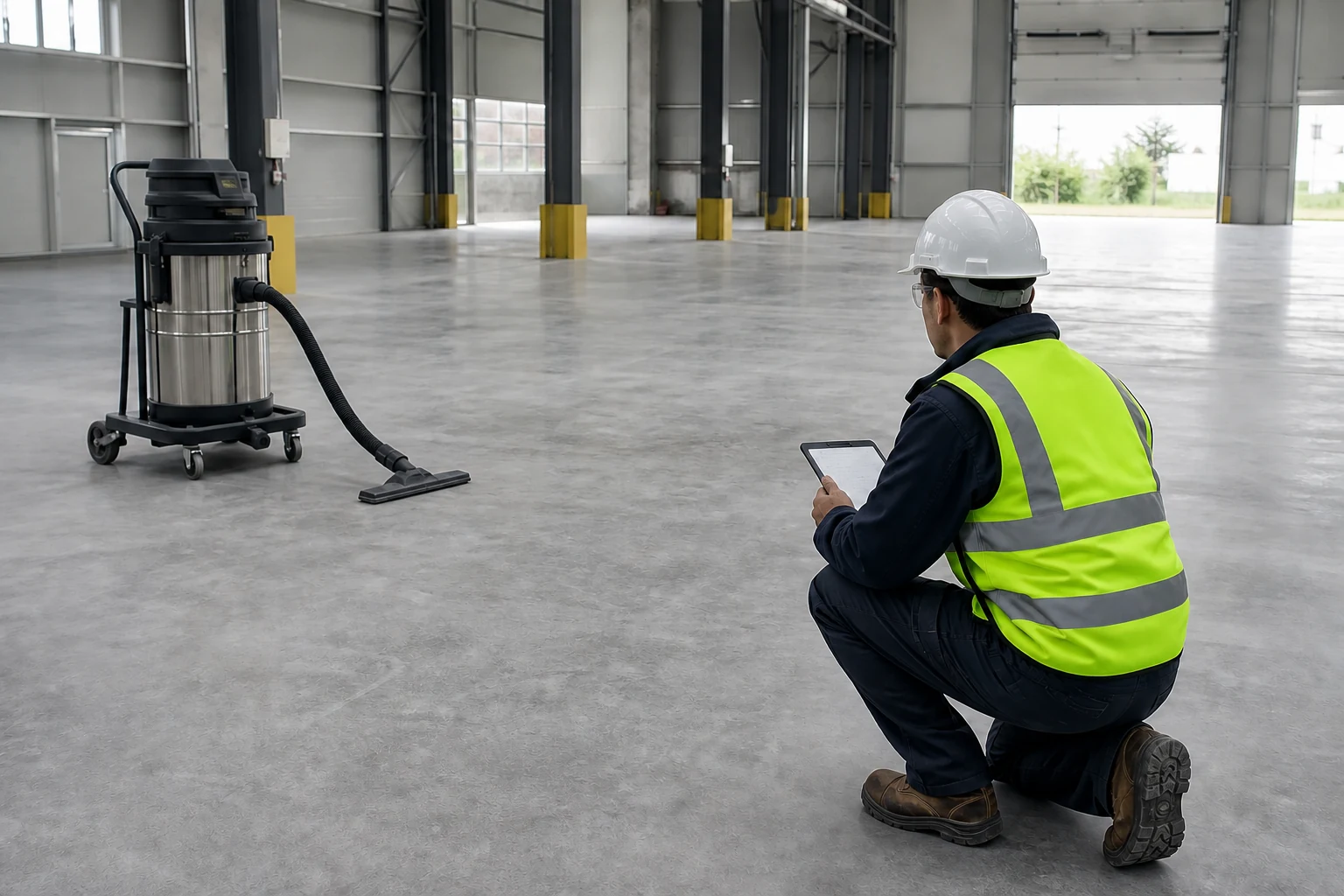
Final clearance and acceptance.
Completion substrate should simultaneously reach solid, dry, ash-free, oil-free and loose. Following the acceptance, it was recommended that the underpaint work be completed within 4 hours to avoid substrate returning or falling again.