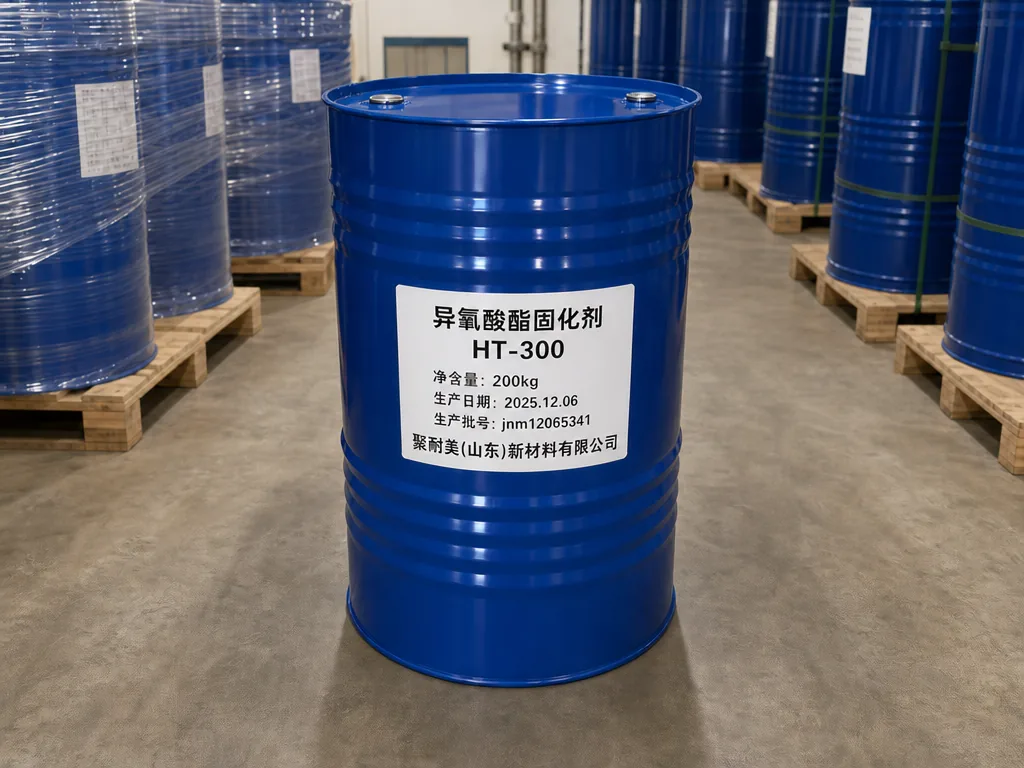
HDI trimer hardener HT300
Suitable for air-drying or baking systems for automotive OEM and refinish coatings, transportation, industrial finishes and plastics.
- Features
- Low viscosity
- Features
- Long pot life
- Features
- Wide applicability

Select an isocyanate hardener for the polyaspartic resin grade, target hardness, flexibility, weather resistance and application conditions. Check compatibility documents and validate the formulation.
Suitable for air-drying or baking systems for automotive OEM and refinish coatings, transportation, industrial finishes and plastics.
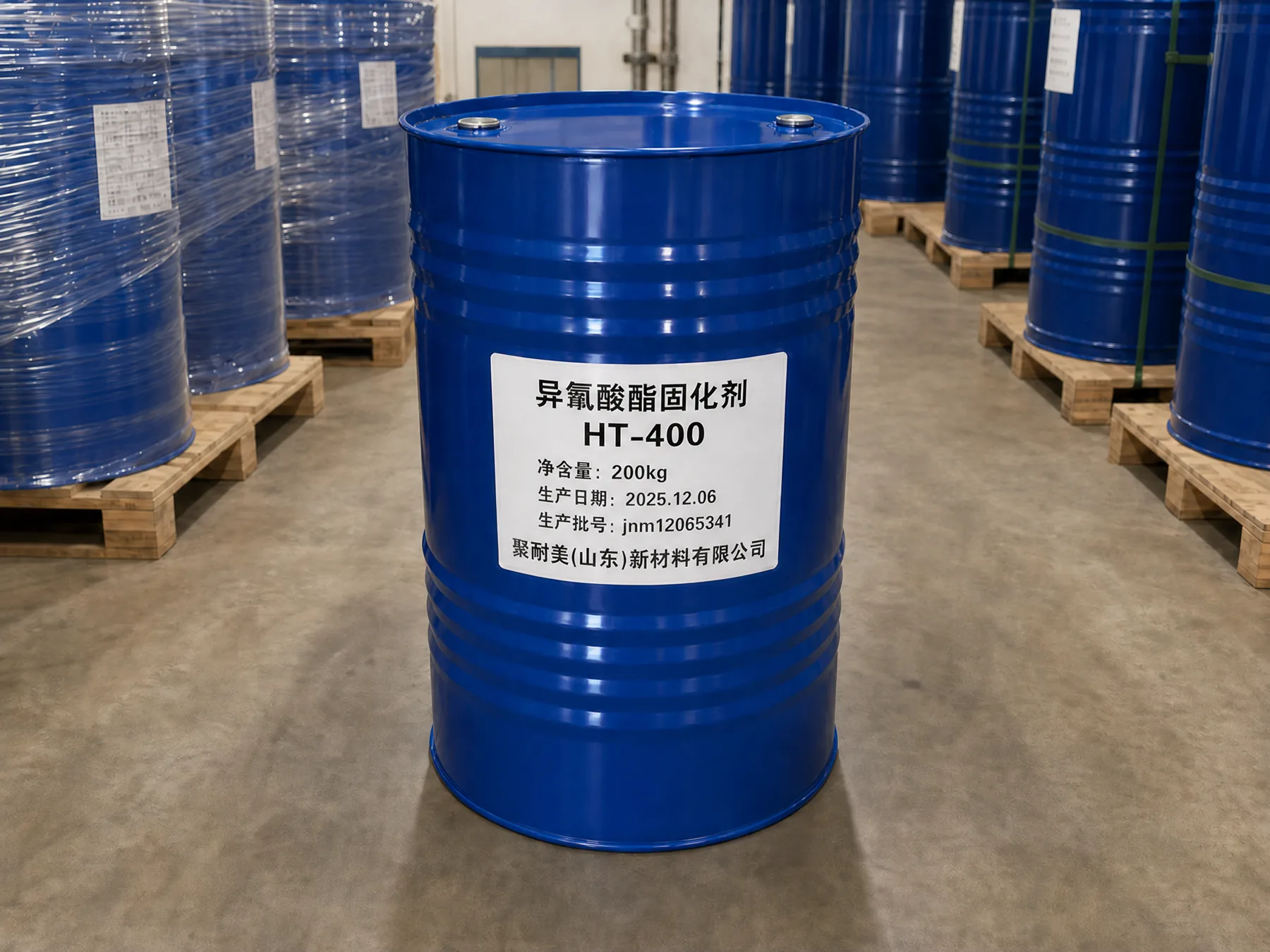
A low-viscosity HDI uretdione dimer hardener for high-solids systems, offering mechanical properties and gloss and color retention.
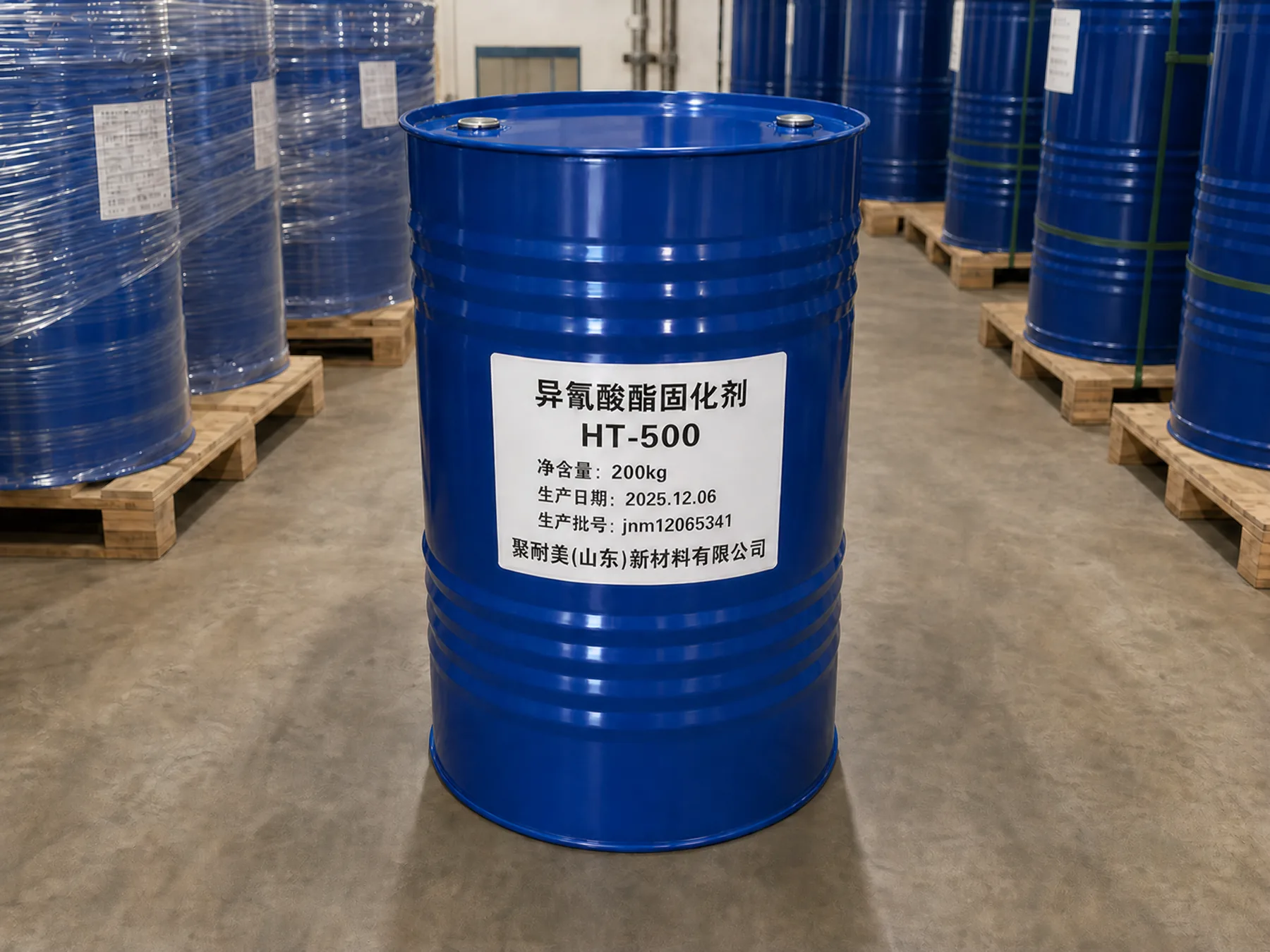
A low-viscosity HDI-based polyisocyanate with high NCO content; a colorless to slightly yellow transparent liquid at room temperature.
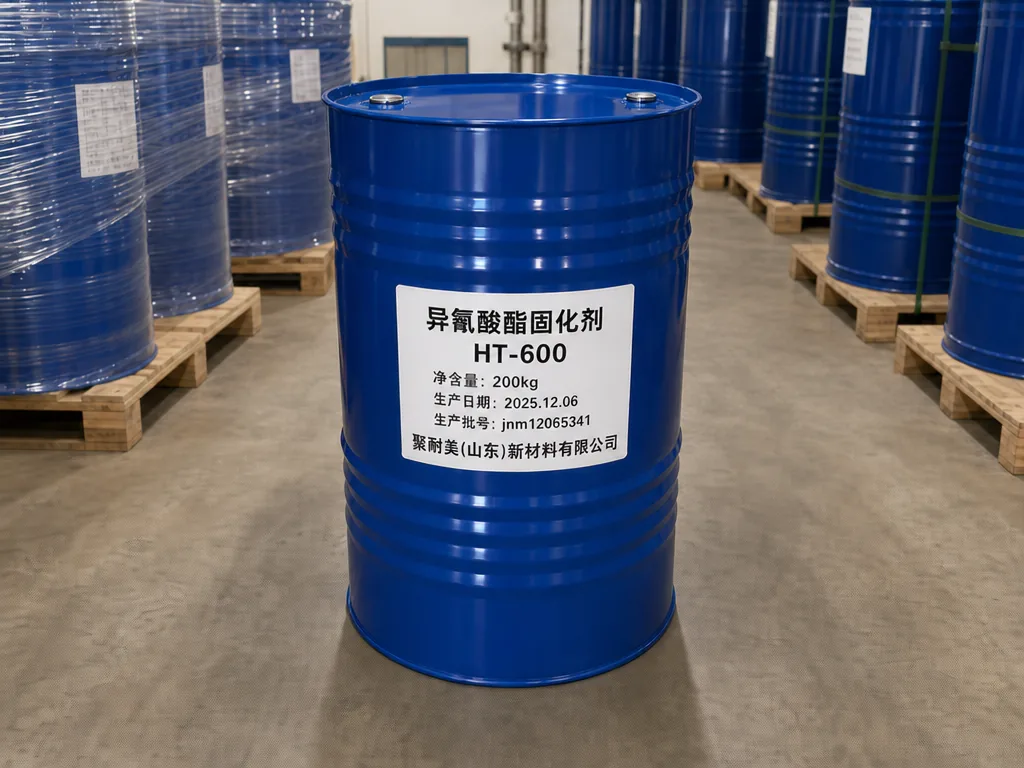
A high-performance hardener for use with polyurea resins, with a moderate curing rate suitable for a range of application conditions.
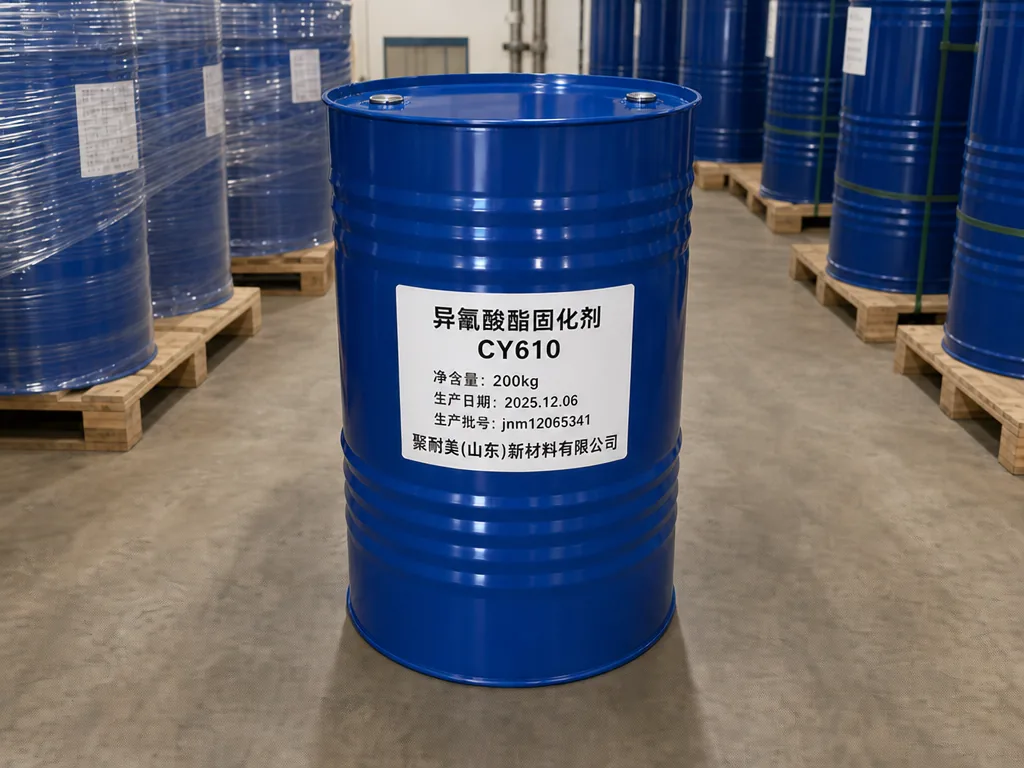
High solids and low viscosity, with good flexibility and mechanical strength
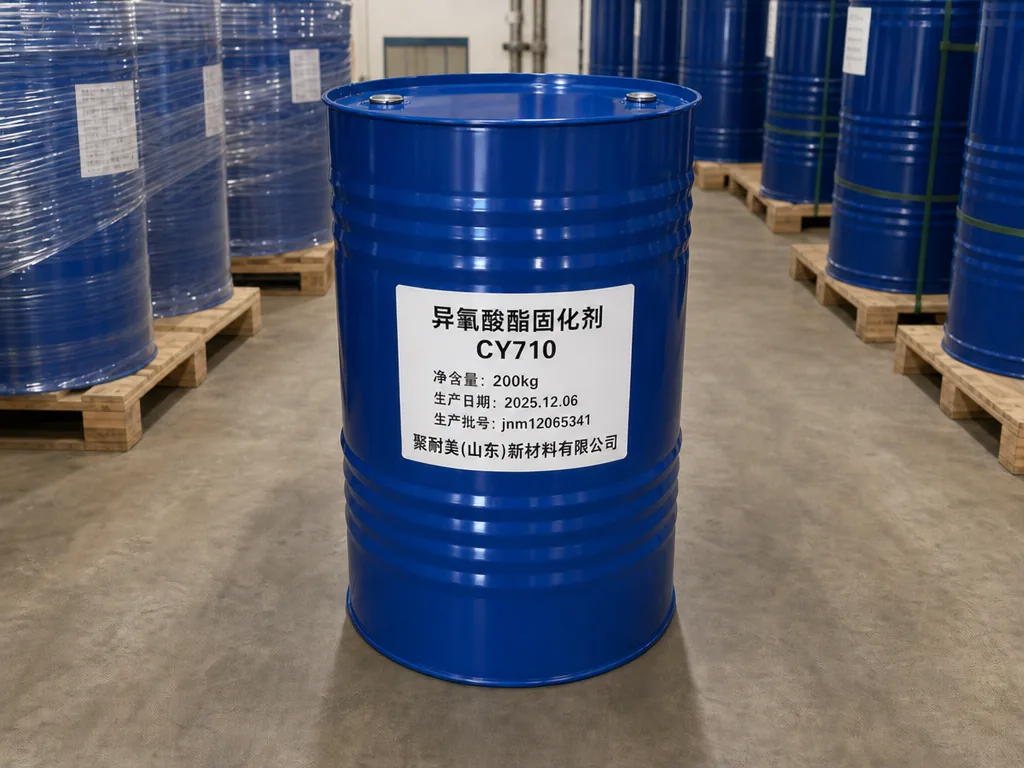
High weather resistance, good flexibility and elasticity, and good tensile strength and scratch resistance
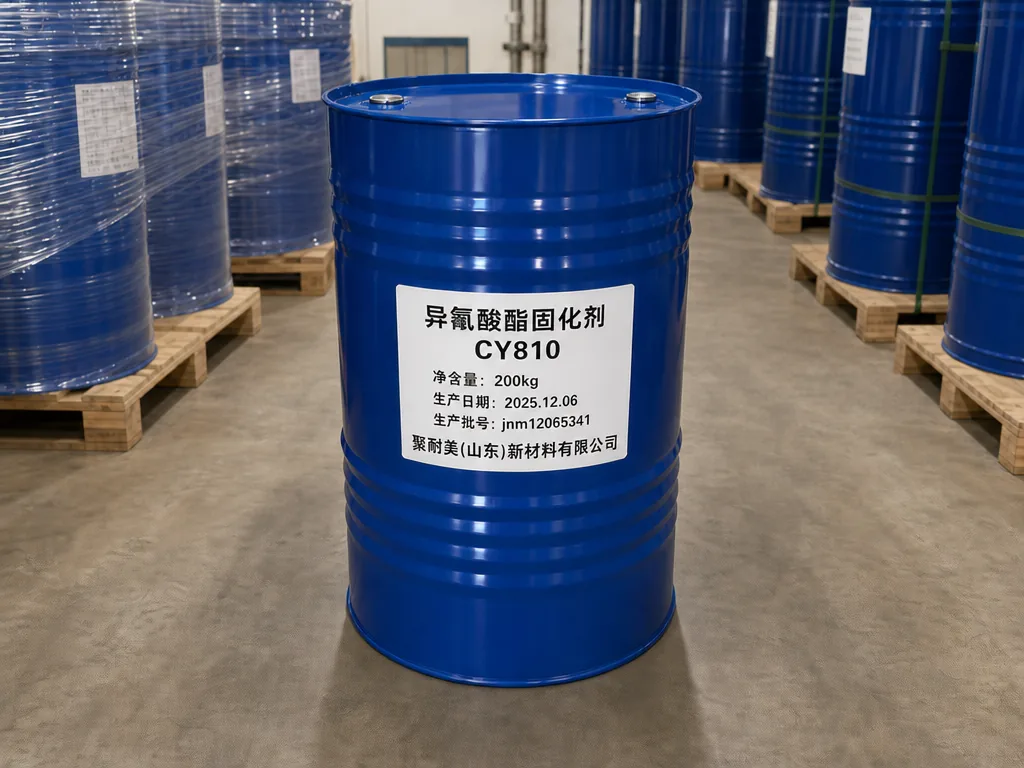
Low viscosity, yellowing resistance, high elasticity, low-temperature toughness and hydrolysis resistance
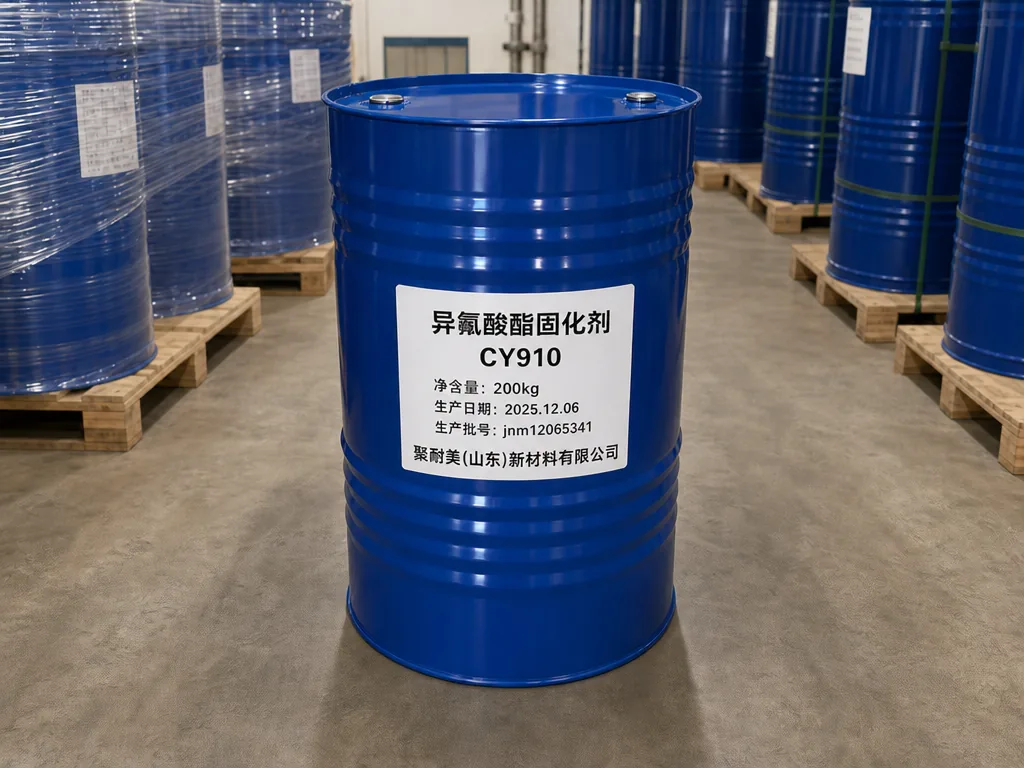
High strength, tear and abrasion resistance, good heat resistance and high hydrolysis resistance
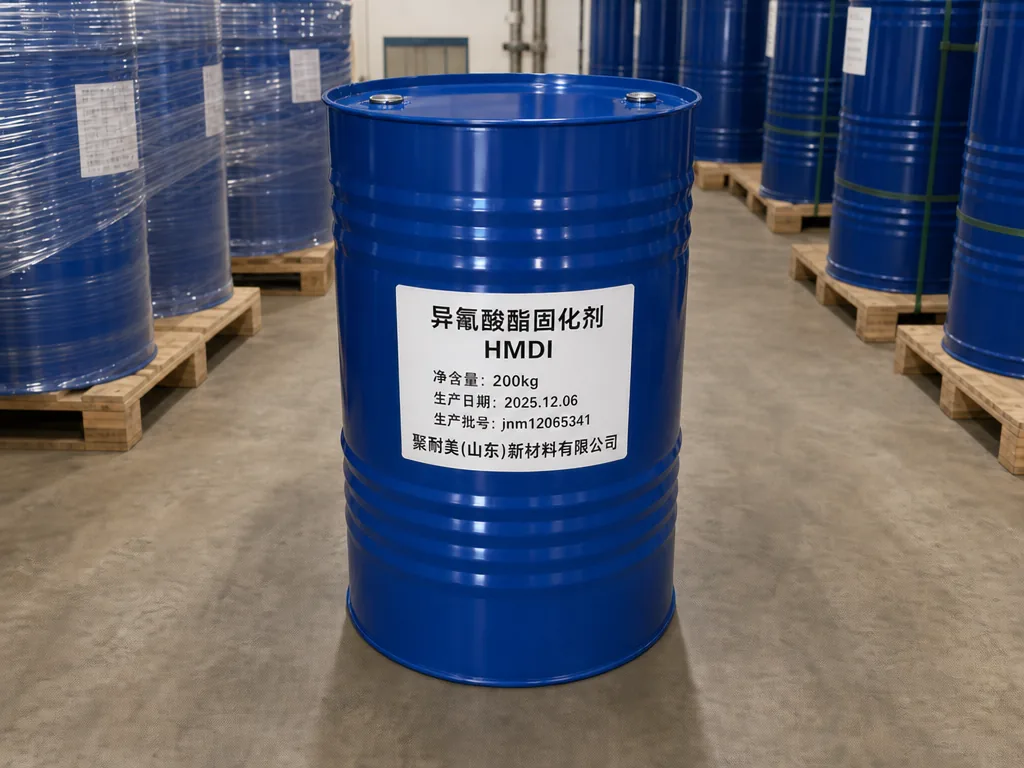
A colorless to slightly yellow transparent liquid at room temperature, with light stability and weather resistance.
Our technical team can help with product selection and application support.
Request a quoteEvaluate hardeners alongside the resin grade and formulation targets. Product categories and typical characteristics support initial comparison; specific mixing ratios and working windows must follow the technical documents and formulation trials.
First identify the polyaspartic ester resin and the required hardness, flexibility, weather resistance and working time before comparing hardeners.
Use the Resin and Hardener Selection Handbook to check specifications, product characteristics, applications and storage information.
Provide the technical team with the resin grade, formulation targets and application method. Confirm the recommended ratio, compatibility and test conditions, then use laboratory trials to plan scale-up.
Selection guide
Polyaspartic polyurea hardener needs to match resin and target performance; In evaluating the production of the polyaspartic polyurea hardener plant, the NCO, viscosity, recommended matching, compatibility and batch testing data should be checked.
Polyaspartic Polyurea Encyclopedia: Chemistry, Properties, Applications and Topcoat Selection