
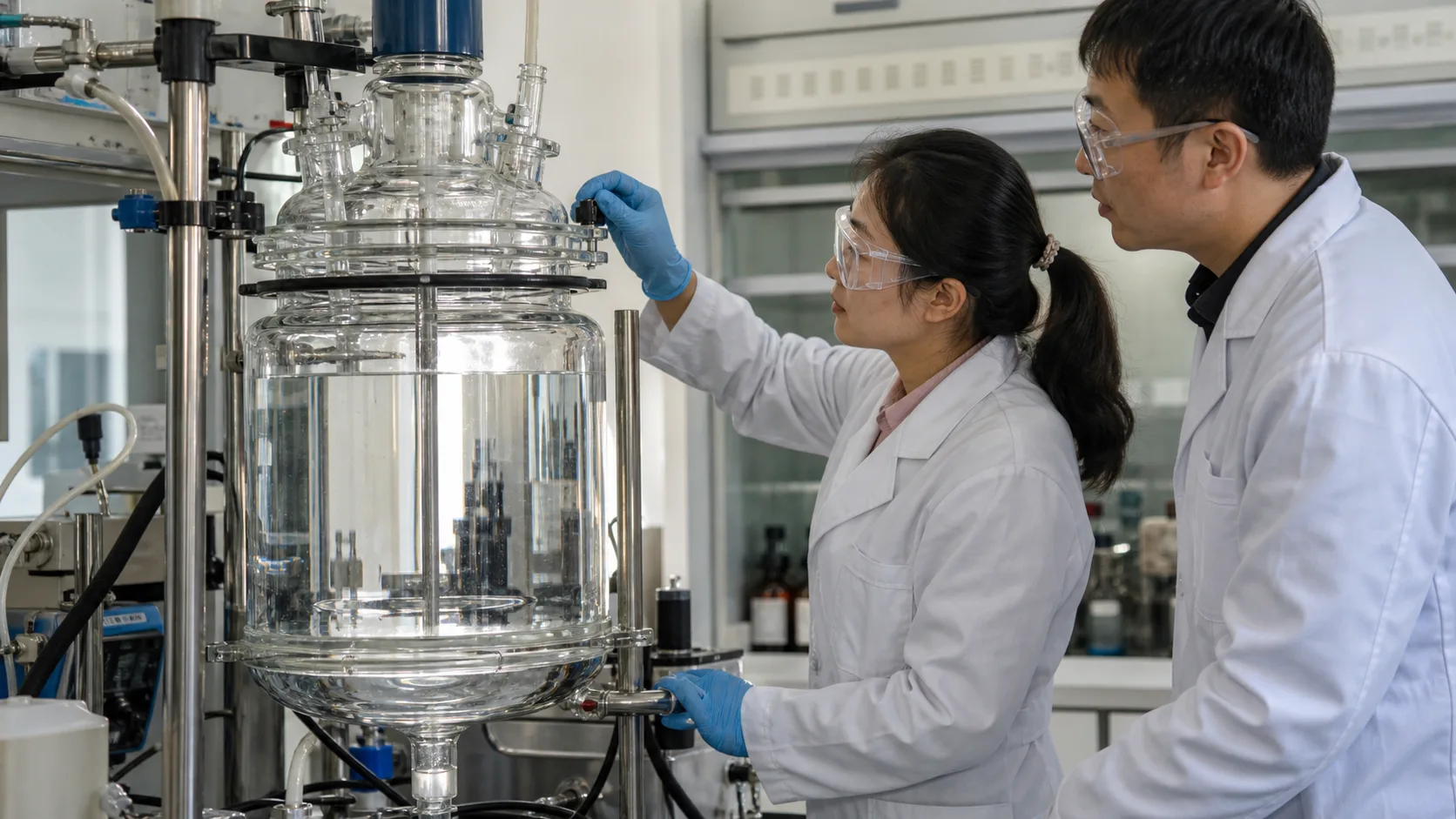
 Polyaspartic Resins: Structure, Reactions & PerformanceUnderstand how the secondary-amine structure of polyaspartic esters reacts with aliphatic isocyanates, and how this relates to high solids, weather resistance and adjustable working time.Read technical notes
What Is Polyaspartic Polyurea?
A practical knowledge framework for research, production and application, covering resin structure, grade selection, ratio calculations, reaction control, formulation compatibility and quality management.
Resin Selection and Formulae Method
Content follows the development decision process, connecting technical parameters with formulation, production and site performance.
Polyaspartic Resins: Structure, Reactions & PerformanceUnderstand how the secondary-amine structure of polyaspartic esters reacts with aliphatic isocyanates, and how this relates to high solids, weather resistance and adjustable working time.Read technical notes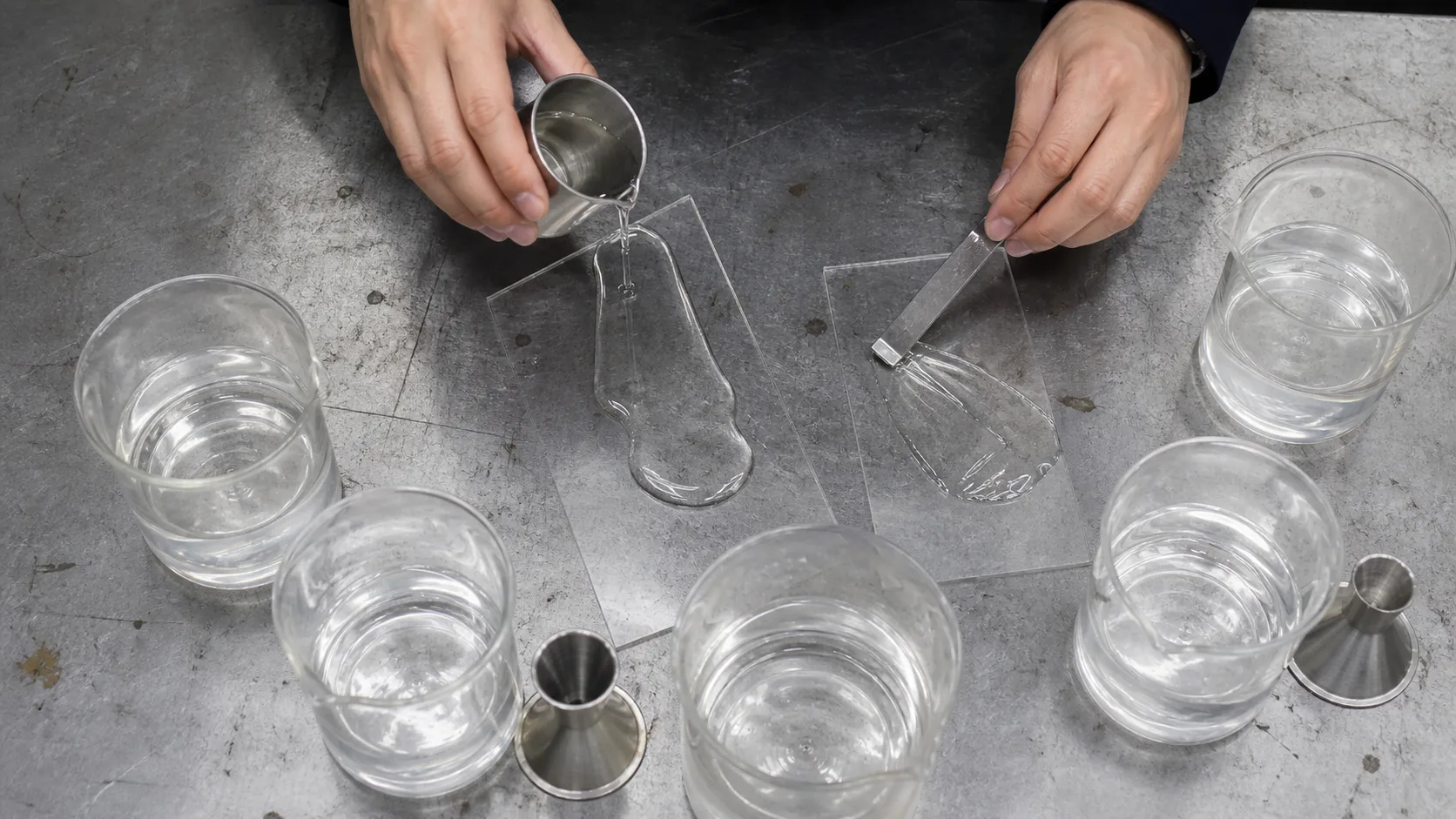 How to select C1420, C1520, C1330, C1524 and C2850Select resin grades by comparing viscosity, reaction speed, hardness, flexibility, compatibility and the intended application method, rather than speed alone.Read technical notes
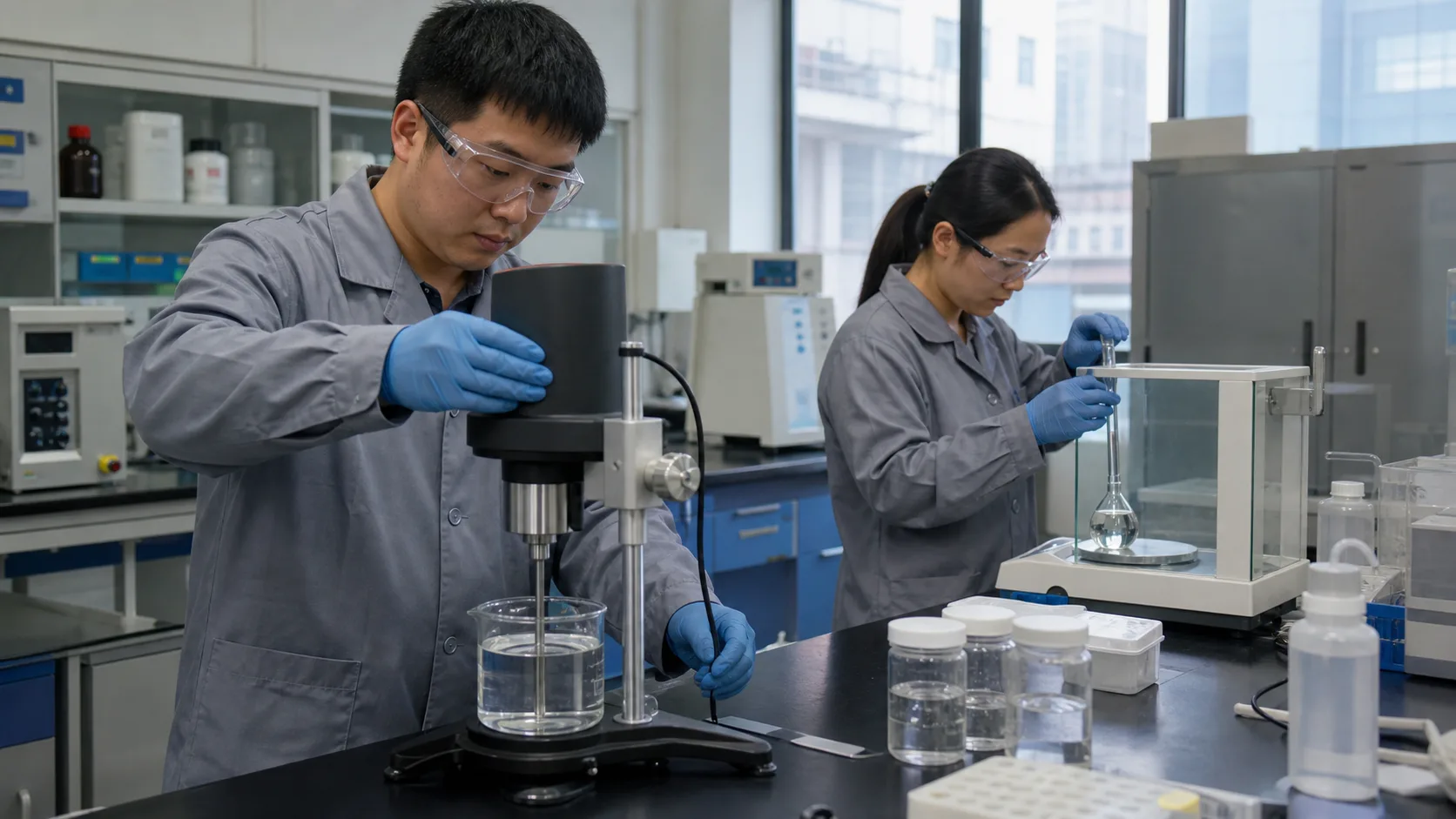 Understanding resin parameters: viscosity, solids content and amine equivalent weightTurn basic test data into formulation decisions by understanding how temperature, test methods and batch control affect viscosity, solids content, color and equivalent-weight calculations.Read technical notes
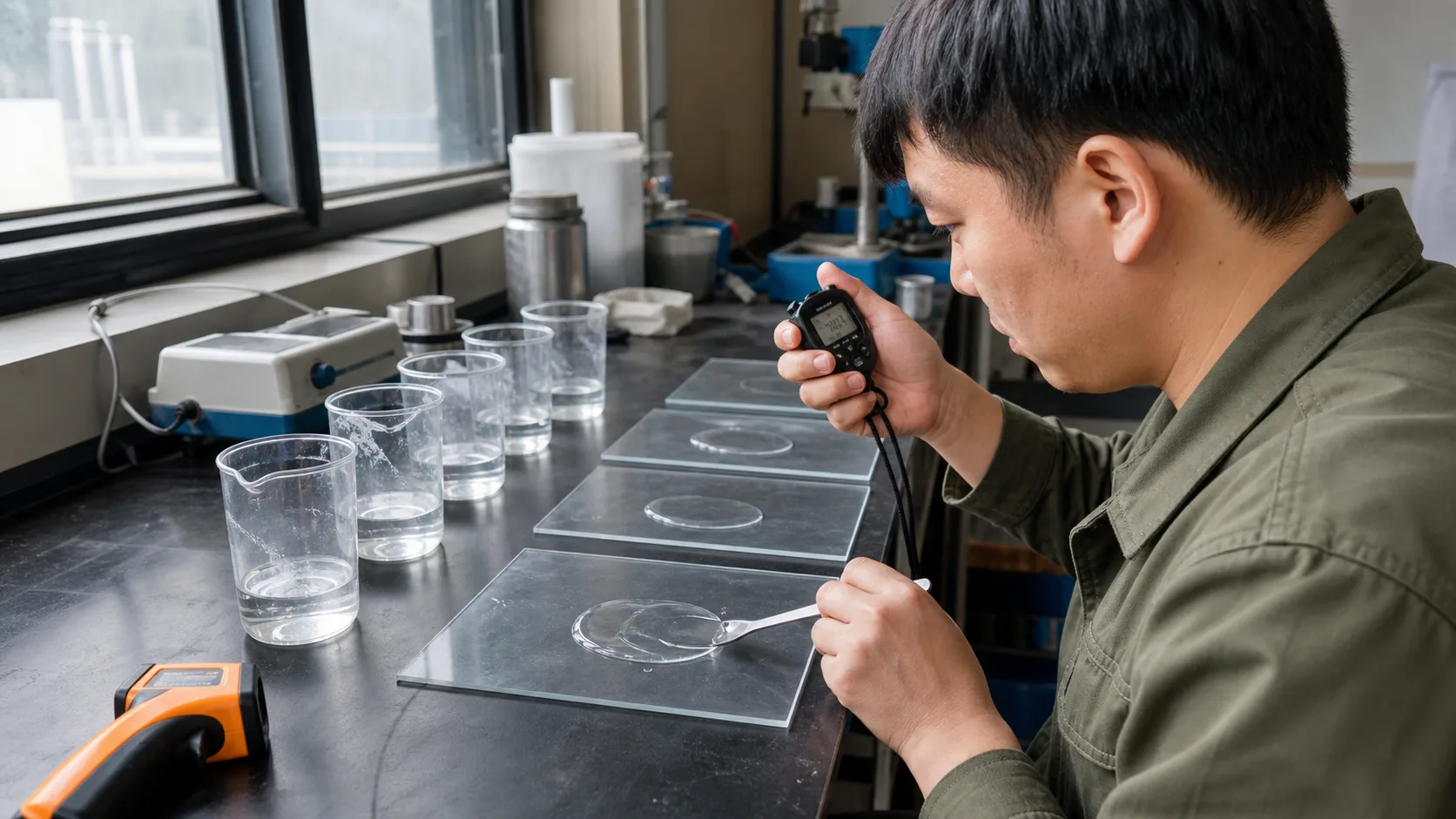 Controlling pot life, gelation and curing rate in a coating systemHow temperature, batch size, resin structure, hardener and catalysts jointly affect working time, and how to relate laboratory cup tests to field application.Read technical notes
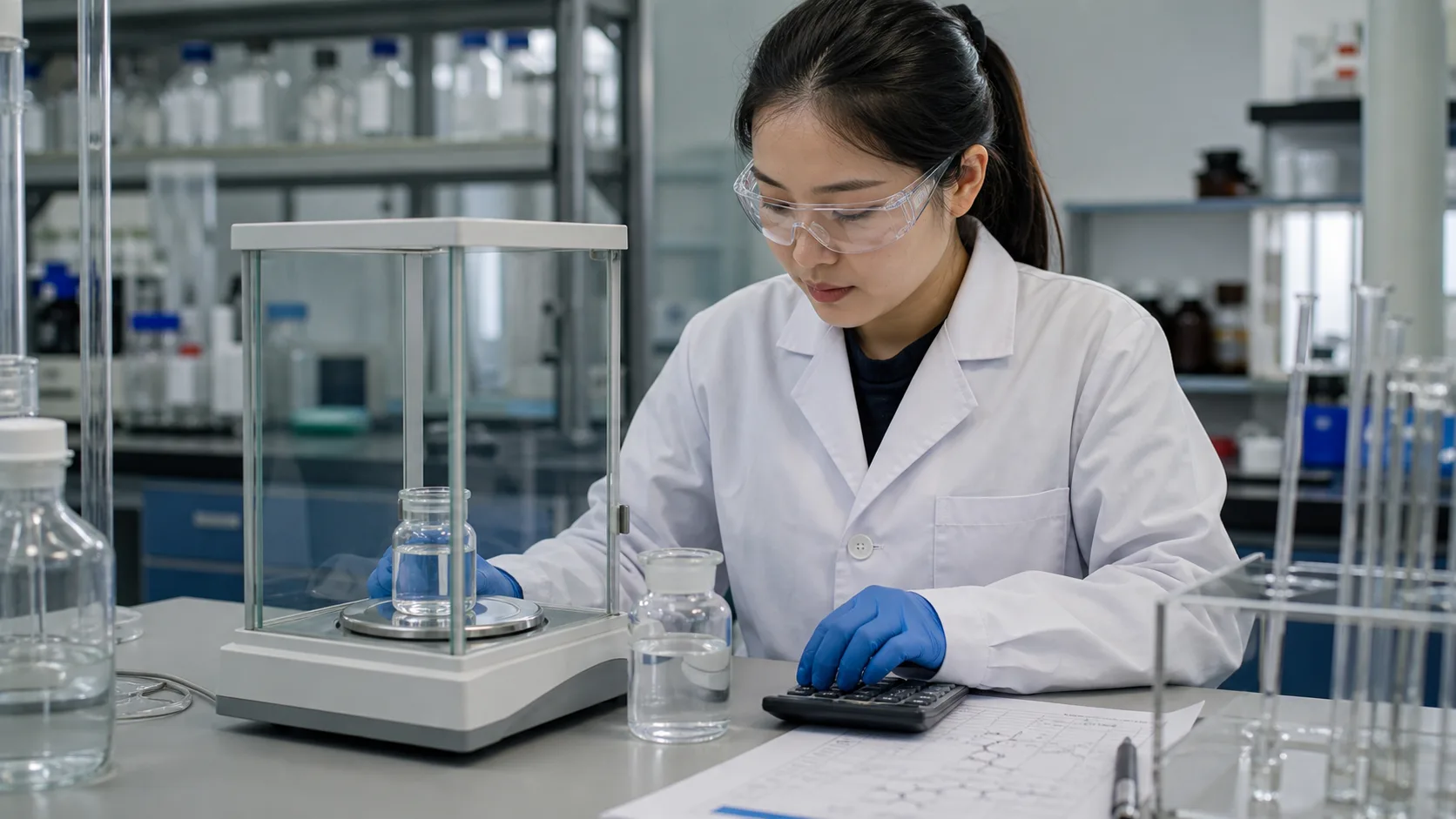 NCO Index and Hardener Compatibility: Calculation and ValidationActive-hydrogen/isocyanate equivalent calculations, hardener selection and the effects of departing from the theoretical ratio, reducing reliance on fixed ratios chosen by experience alone.Read technical notes
 Evaluating resins for yellowing resistance and outdoor weatheringDistinguish initial color, yellowing, gloss loss, chalking and coating aging, and understand the combined influence of resin, hardener, pigments and stabilizers on outdoor performance.Read technical notes
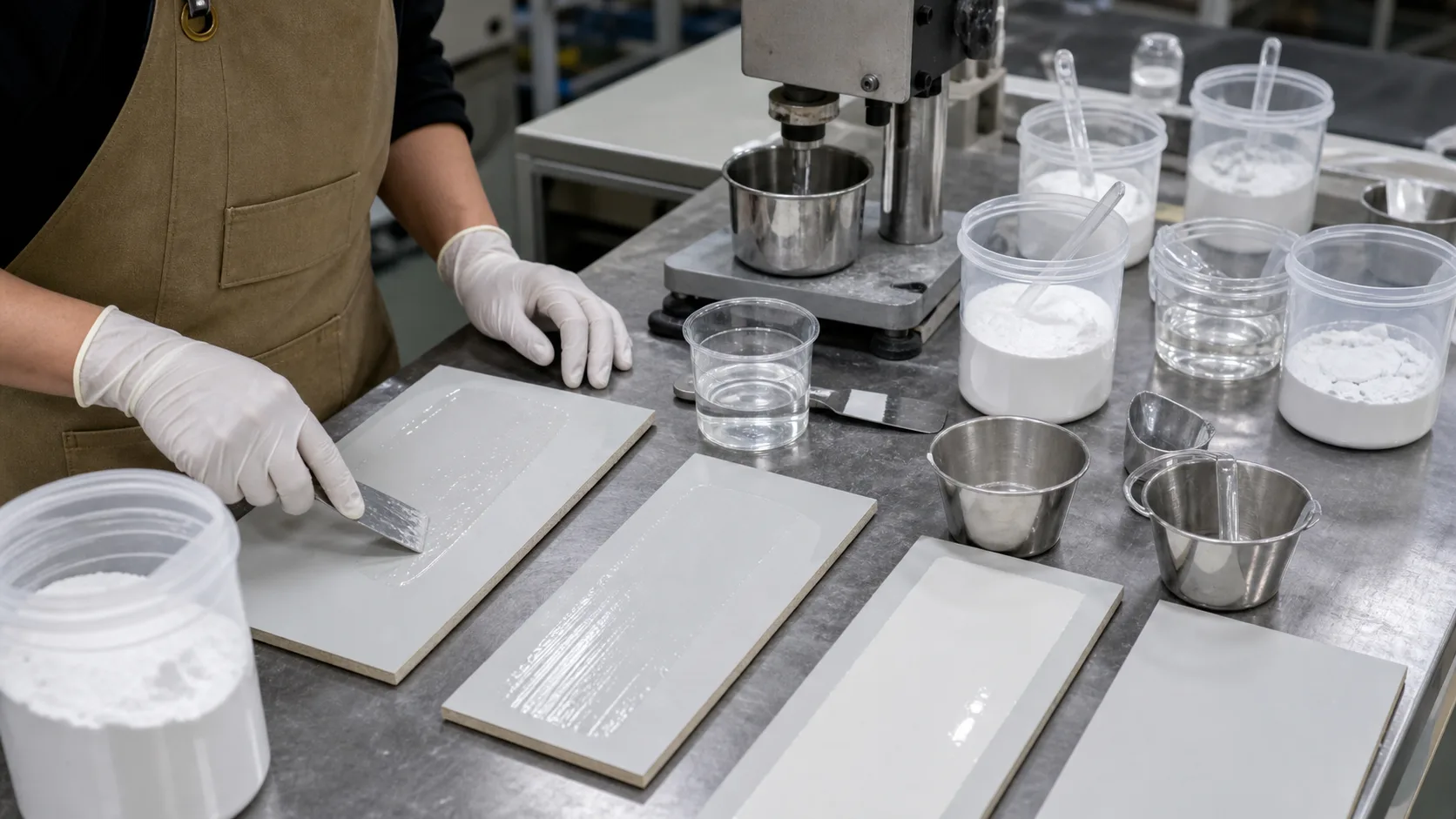 Formulation Compatibility: Pigments, Solvents & AdditivesReview compatibility issues in high-solids polyaspartic formulations, focusing on wetting and dispersion, moisture control, defoaming, leveling and storage stability.Read technical notes
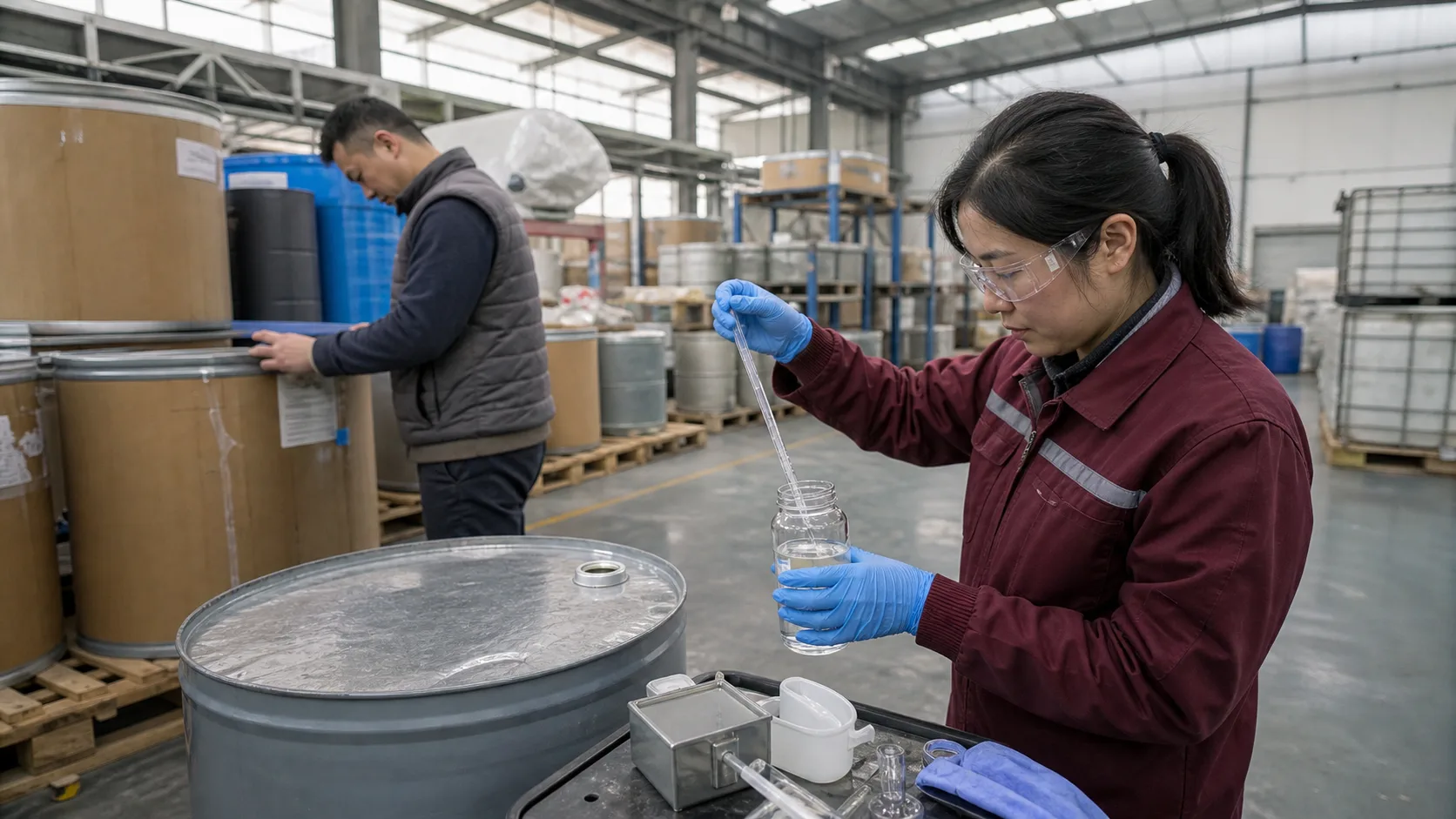 Resin Storage, Incoming Inspection & TroubleshootingManage receipt, retained samples, storage and production use as one traceable process, with a defined sequence for investigating thickening, haze, crystallization, color change and abnormal reactivity.Read technical notes
Selection guide
An introduction to polyaspartic polyurea film formation, applications and selection limits, including its differences from conventional polyurea in reaction speed, working time and outdoor weathering. Actual performance depends on the complete system and test results.
Name and Selected Boundary
Polyaspartic polyurea normally forms through the reaction of a polyaspartic ester resin with an isocyanate component. Comparing it with conventional polyurea requires more than comparing names: check resin structure, usable working time, application method, compatible primer and test conditions.
View when continuing the selectionPolyaspartic resins and Construction application guide; project-specific requirements should follow the relevant product data and trial results.